

From 20 January 2027, Regulation (EU) 2023/1230 replaces Machinery Directive 2006/42/EC. For manufacturers, preparing for the new rules also means reviewing how software, connectivity and updates can affect machine safety.
Where should you start? Here are three mistakes to avoid.
1. Assuming an unchanged machine needs the same checks
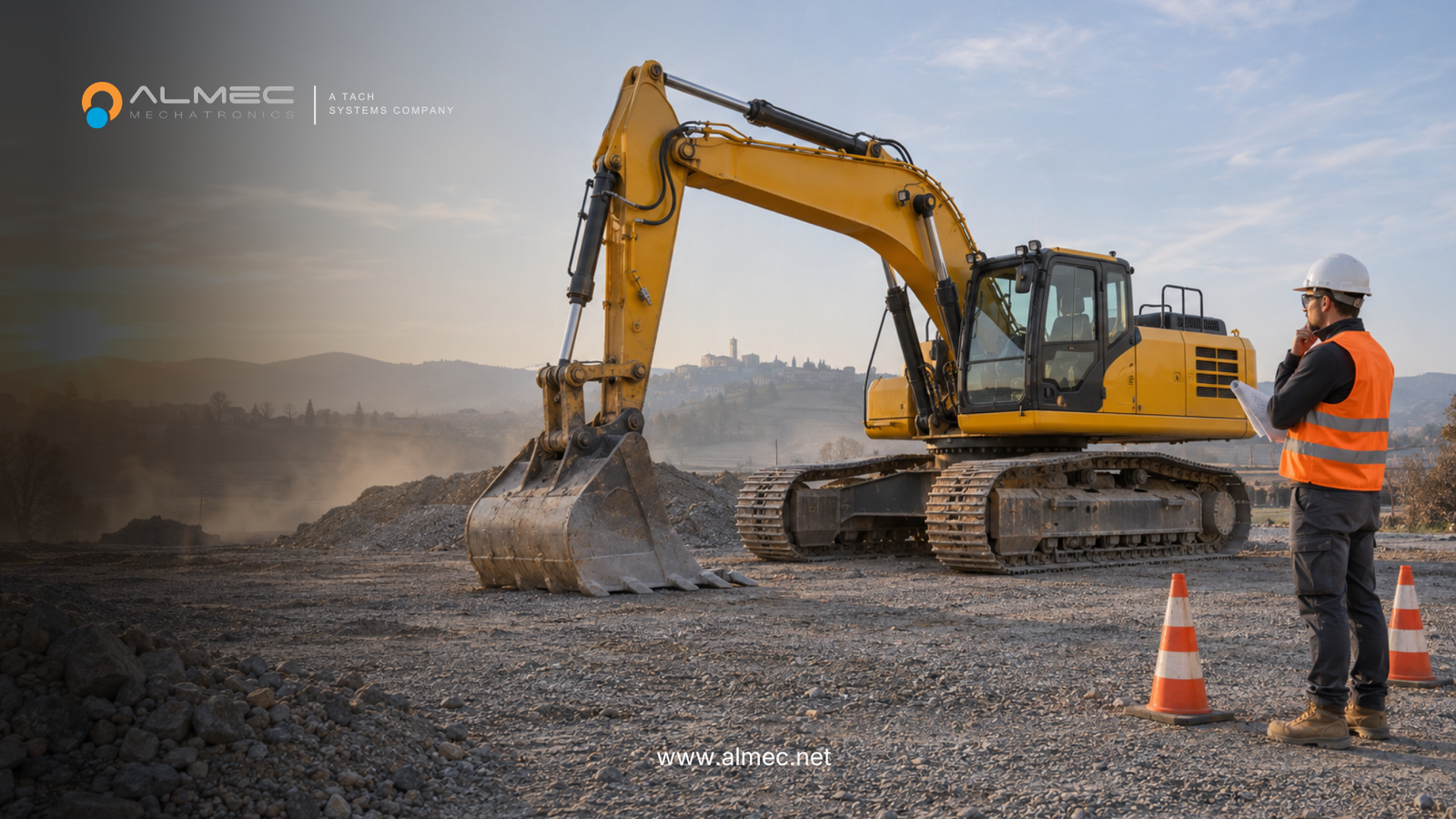
Even if the machine itself remains unchanged, the new rules require manufacturers to assess how software and connectivity could compromise safety. For example, if a parameter in the control unit limits the movement of a boom, manufacturers need to consider how to protect that parameter against accidental or intentional changes.
If limiting the boom’s travel is a safety function, the risk assessment must establish when it should intervene. The control unit can use signals indicating the boom’s angle and extension to prevent movement beyond the specified limit. During design, the manufacturer defines which parameters can be changed during maintenance, their permitted values and how the machine should respond if a signal becomes unreliable or communication is lost. Annex III also requires manufacturers to protect critical software and data from accidental or intentional alteration, make the installed software needed for safe operation identifiable and keep records of interventions affecting the software or its configuration.
2. Assuming the Regulation only affects manufacturers
The Regulation also sets out obligations for importers and distributors. Anyone who retrofits a machine already in service or updates its control software may also assume the manufacturer’s obligations if the work constitutes a substantial modification within the meaning of the Regulation.
An update can affect safety even if the hardware remains unchanged. Consider a firmware update that increases the maximum reach of a boom on a machine already in service. To determine whether the update constitutes a substantial modification, Article 3, point (16), requires checking whether the manufacturer had foreseen or planned the change, whether it creates a new hazard or increases an existing risk, and whether this calls for additional guards or protective devices that require changes to the existing safety control system, or additional protective measures to ensure stability or mechanical strength. When the criteria for a substantial modification are met, the party carrying out the work takes on the manufacturer’s obligations and follows the applicable conformity assessment procedure.
3. Putting off the checks until January
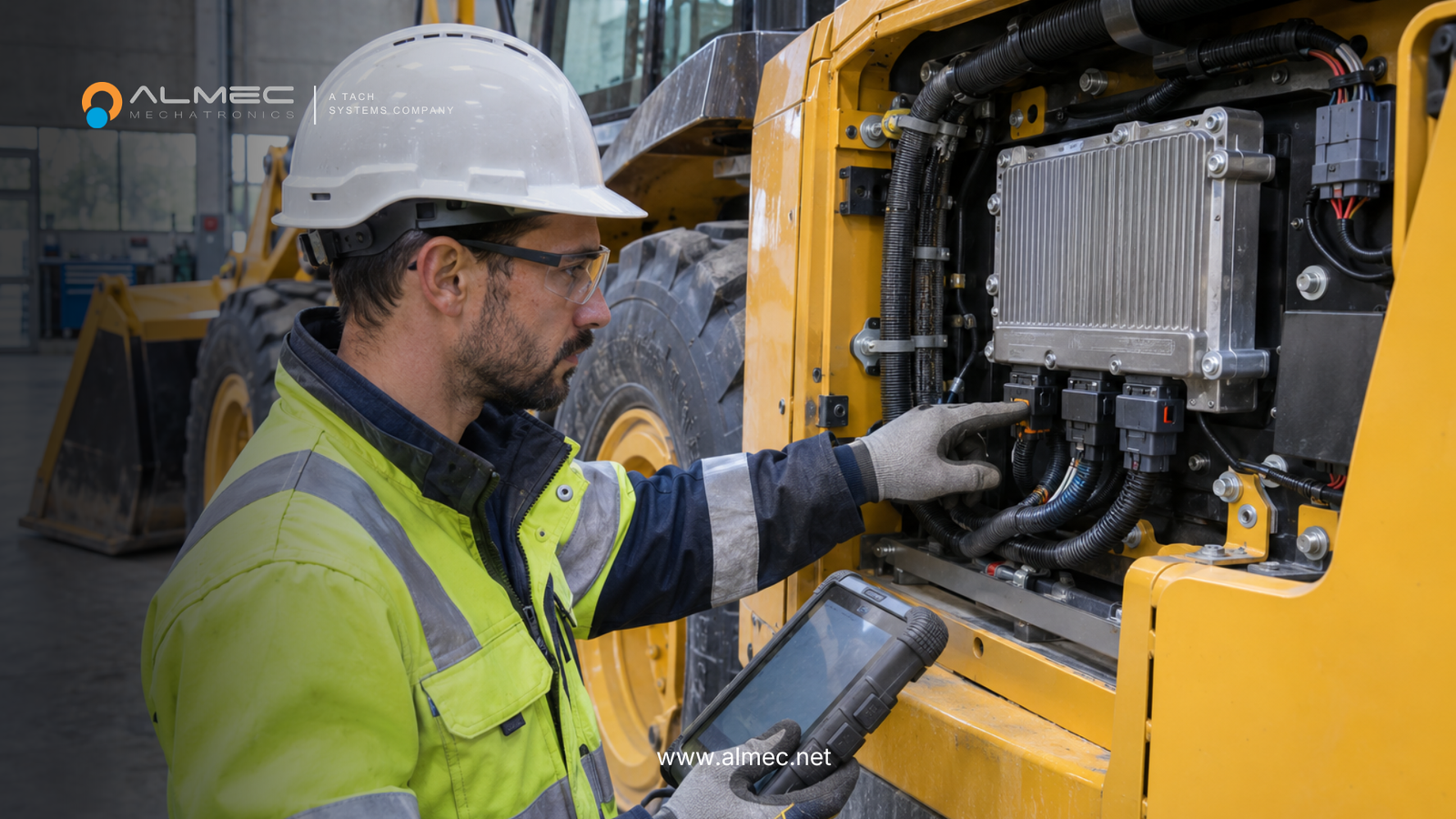
A practical first step is to identify which machines will be placed on the market from 20 January 2027. For each model, review which risk assessments, instructions and technical documents need updating and whether the conformity assessment procedure requires the involvement of a notified body.
For each machine variant, it is useful to link the hazard identified, the protective measure implemented and the test result in the technical documentation. The test report can record the firmware version, the parameter settings, the movement commanded and the expected response. This makes it possible to document, for example, whether the system inhibits the relevant movement when the limit is reached or the position signal is no longer reliable. At the same time, check how the machine is classified under Annex I. Under the standard Article 25 procedure, categories listed in Part A require a notified body. For categories listed in Part B, internal production control is permitted if the harmonised standards or common specifications applied cover all relevant essential health and safety requirements.
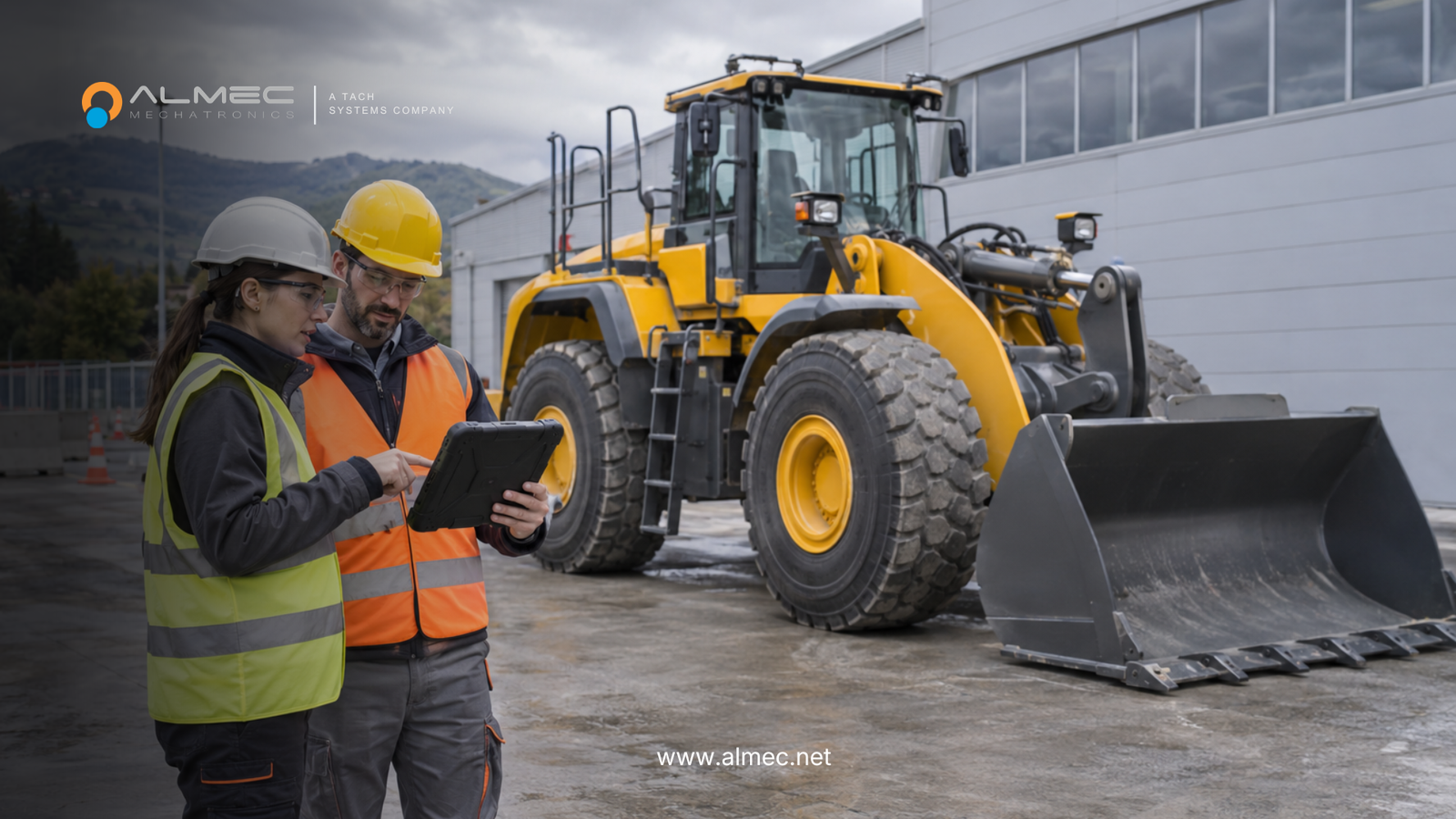
At ALMEC, we work with manufacturers from the earliest stages of design. Together, we define what the sensors detect, what decisions the control unit makes and what information the operator receives. This helps identify where an update or modification could affect machine safety.
Read the full text of the Regulation on EUR-Lex.
Would you like to discuss how the new Machinery Regulation applies to your project?
Email us at info@almec.net and read our in-depth article: Machinery Regulation 2027: Why electronic architecture should be designed from the outset.