
From 20 January 2027, Regulation (EU) 2023/1230 will replace the Machinery Directive 2006/42/EC. As a regulation, it will apply directly in all EU Member States, without requiring transposition into national law.

The new regulatory framework has been introduced to keep pace with technological developments in machinery. Software, control systems and connectivity are playing an increasingly important role, and the legislation explicitly acknowledges this evolution. For manufacturers, the implication is clear: the relationship between machine functions, electronic architecture and data management must be addressed from the earliest stages of design, rather than as an afterthought.
Electronics as Part of the Design, Not an Accessory
Electronic Control Units (ECUs), operator interfaces, sensors and communication systems determine how a machine operates: they coordinate movements, process signals and provide commands and information. Every electronic design decision must therefore be evaluated within the specific context of the application.
For OEMs, preparing for the new regulation means answering some key questions: Which functions should be managed electronically? Which operating conditions must the system be able to handle? How can its behaviour be verified in the event of a fault?
Component selection thus becomes one stage in a broader process, from requirements definition and system integration through to validation.
Software and Control Systems: Safety Also Depends on Code
The regulation explicitly recognises digital safety components, including software placed independently on the market to perform a safety function. It also introduces specific requirements to protect safety-related software and data against both accidental and intentional alterations.
From a design perspective, this translates into practical decisions about how to manage access, configurations, versions and updates. In connected machines, communication with diagnostic tools and remote services must also be carefully considered, assessing their potential impact on operational functions and safety.
Updates and Modifications: When Responsibility Changes
The regulation clarifies that a substantial modification can also be made through digital means. When the conditions set out in the regulation are met, the person carrying out the modification assumes the obligations of the manufacturer. This does not mean that every software update constitutes a substantial modification: each case must be assessed individually against the regulatory definition.
In practice, it is advisable to plan for the machine's future evolution from the development stage: document configurations, define intervention procedures and verify the impact of each new functionality on the system.
This approach is particularly important for electronic platforms shared across multiple machine models or product variants.
Digital Documentation and Responsibilities Across the Supply Chain
Instructions may be provided in digital format, subject to the conditions established by the regulation, which also maintains certain safeguards for users, including the possibility of requesting a paper version.
The regulation also clearly defines the obligations of manufacturers, importers and distributors.
For the entire supply chain, it is therefore essential to organise the exchange of technical information from the outset. Component specifications, software configurations and instructions must accompany the project throughout its development, simplifying the manufacturer's work.
ALMEC's Contribution
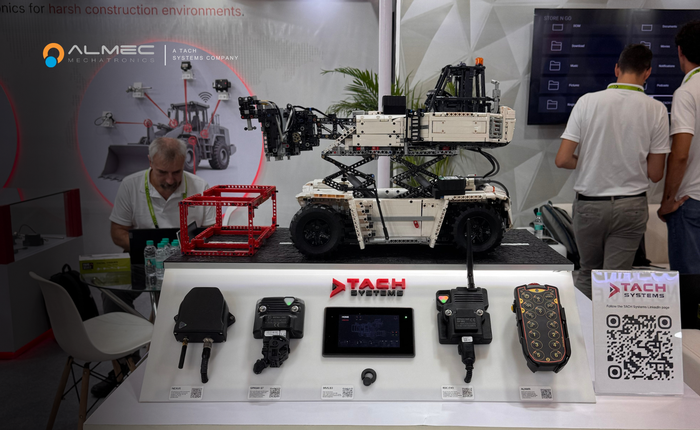
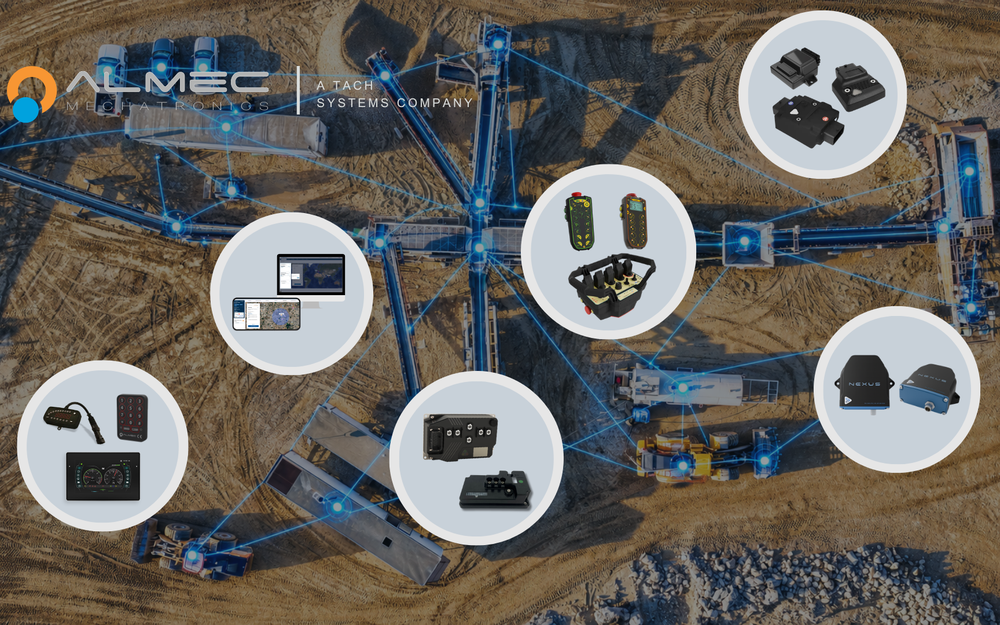
ALMEC designs and develops Electronic Control Units (ECUs), I/O modules, motor controllers, HMI interfaces and connectivity solutions for machinery. This expertise enables ALMEC to work alongside manufacturers in addressing control requirements, operator interaction and data availability.
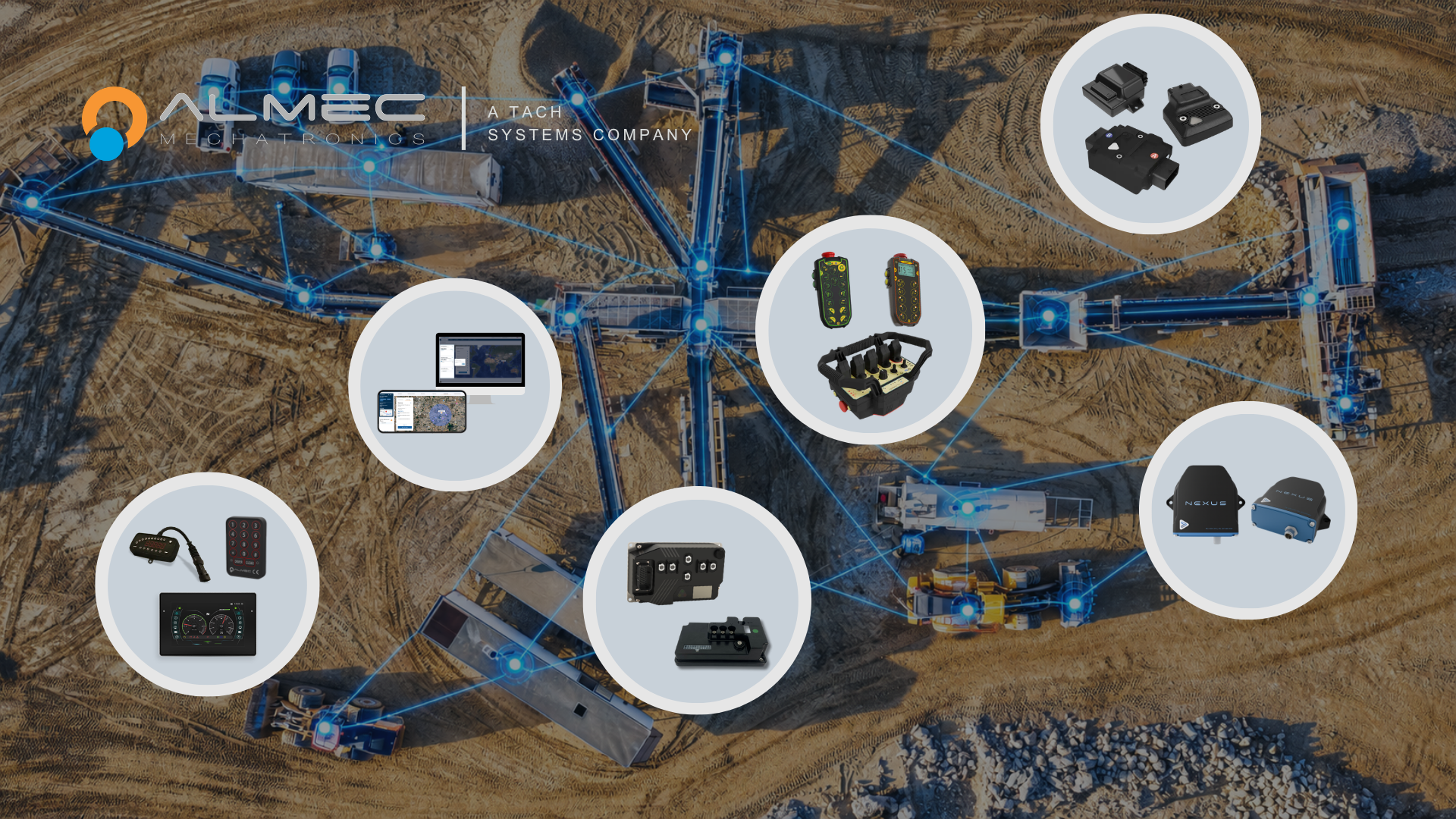
The role of electronics must be defined for each application, taking into account the risk assessment and the requirements established by the manufacturer. Compliance of the complete machine ultimately depends on the combination of all the solutions adopted.
Preparing for 2027 Starts Today
Being ready for the upcoming deadline means starting now with an electronic architecture that is aligned with the machine's functions and capable of supporting its evolution over time.
Are you developing a new machine or upgrading an existing platform?
Let's discuss your electronic architecture together. Contact us at info@almec.net.